About Febuxostat API Powder Anti Gout - CAS No 144060-53-7 Intermediate Pharma High Purity
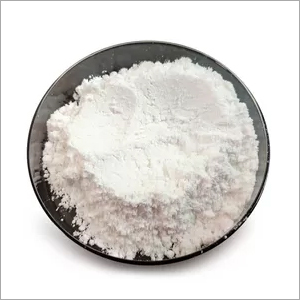
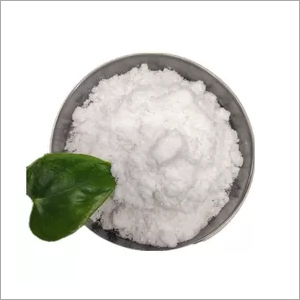
Febuxostat API Powder Anti Gout is a high-purity pharmaceutical intermediate used in the treatment of gout by effectively reducing uric acid levels in the blood. This white to off-white crystalline powder exhibits exceptional purity of 99% or higher, ensuring reliable quality for pharmaceutical applications. The product is odorless and sparingly soluble in water but dissolves well in dimethylformamide and dimethyl sulfoxide. Febuxostat, with a molecular formula of C16H16N2O3S and a molecular weight of 316.38 g/mol, is stable under recommended storage conditions, boasting a shelf life of up to 24 months when stored in a cool, dry place, protected from light and moisture. The structural formula is available upon request, and its particle size can be customized as per manufacturing requirements. The powder complies with pharmacopeia standards for heavy metal content (less than 0.001%) and maintains loss on drying at no more than 0.5%. This intermediate pharma-grade compound, non-poisonous when handled professionally, features a high melting point (~230C) and is classified under HS Code 29349990 for pharmaceutical intermediates.
FAQs of Febuxostat API Powder Anti Gout - CAS No 144060-53-7 Intermediate Pharma High Purity:
Q: What is the purity level of Febuxostat API Powder?
A: Febuxostat API Powder has a purity level of 99% or higher, meeting high-purity pharma standards.
Q: How should Febuxostat API Powder be stored?
A: It should be stored in a cool, dry place away from light and moisture to preserve its quality and 24-month shelf life.
Q: Is Febuxostat API Powder poisonous?
A: No, Febuxostat API Powder is not poisonous when handled and used professionally following standard protocols.
Q: What is the chemical solubility of Febuxostat API Powder?
A: Febuxostat API Powder is sparingly soluble in water and readily soluble in dimethylformamide and dimethyl sulfoxide.
Q: What industries typically utilize Febuxostat API Powder?
A: It is primarily utilized in the pharmaceutical industry as an intermediate for anti-gout medications that reduce blood uric acid levels.

 Send Inquiry



 Send Inquiry

 Send Inquiry
 English
 Spanish
 French
 German
 Italian
 Chinese (Simplified)
 Japanese
 Korean
 Arabic
 Portuguese